

A Costa da Morte (the Coast of Death) in Galicia is a well known spot for food (specially seafood) and for its amazing landscapes. It also has a beautiful route for the St. James Way (El Camino de Santiago) that leads to the ancient “end of the world”. It is also a very top destination if you are an arts and crafts lovers.
When speaking of Costa da Morte and crafts, most people think of Camariñas lace (encaixe de Camariñas). Those who know the area a little more will also recall Buño pottery. Both are correct, they are two of the great icons of the area and the work of the palilleiras and ceramists is unique. But there is much more.
That is why, when I was invited to a new roadtrip along the Costa da Morte, I could not say no. And although this is not my first trip through this unique territory, there is always something new to discover.
So here goes my alternative route of the artisans of Costa da Morte (which can be visited):
We start the route, in Carnota. An eternal beach, a magical mountain where the gods live (Pindo), the iconic granaries of Lira and Carnota… What a place for inspiration!
Our first stop has views of this all: it is the home of Nacho Porto. A craftsman with a head constantly boiling with shapes and ideas and that you can visit (he has a small shop in his workshop and does micro guided tours of the collections and the inspiration of his pieces) practically all year round.
But in addition to privileged views and overflowing creativity, Nacho has become an essential recommendation for another reason: he is one of the great examples that craftsmanship is not at odds with innovation. This small workshop has been working hand in hand with researchers and students from Galician universities for years, proposing mathematical challenges and innovating in acoustics and design.
One of the results is the piece you see below, a ceramic speaker for mobile devices with exceptional sound and overwhelming simplicity. All ceramics.
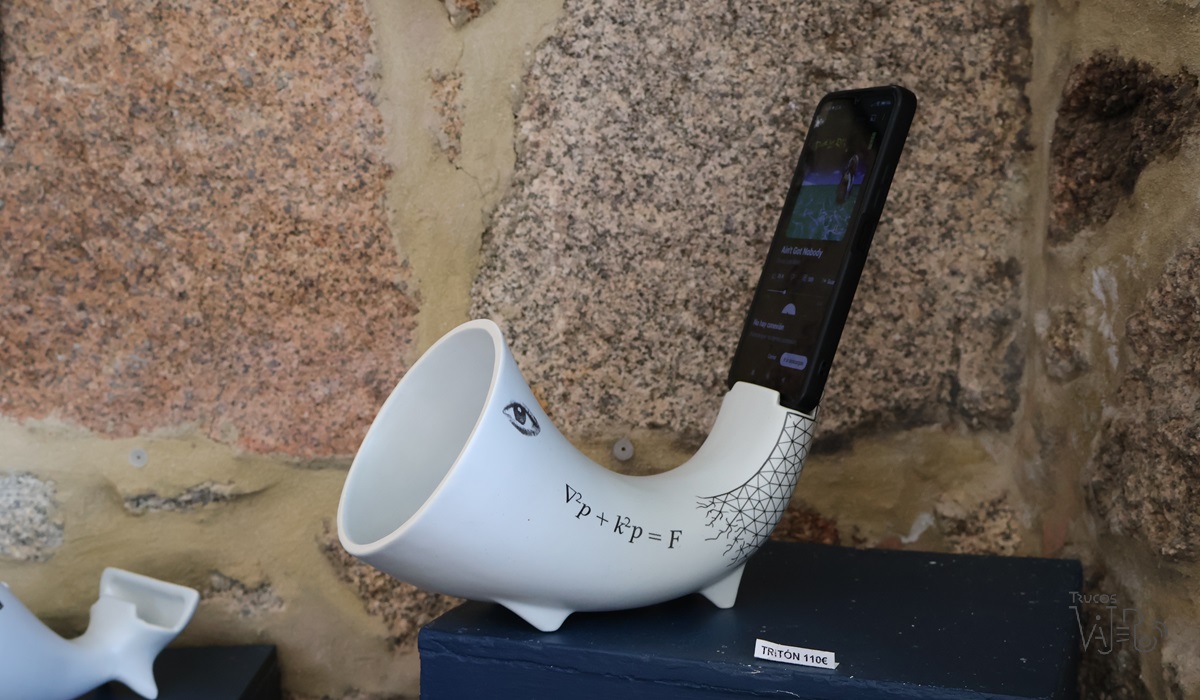
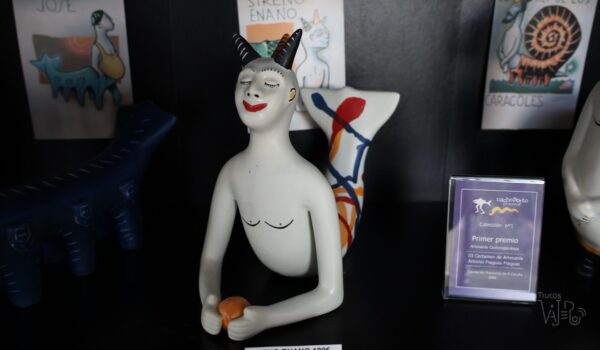
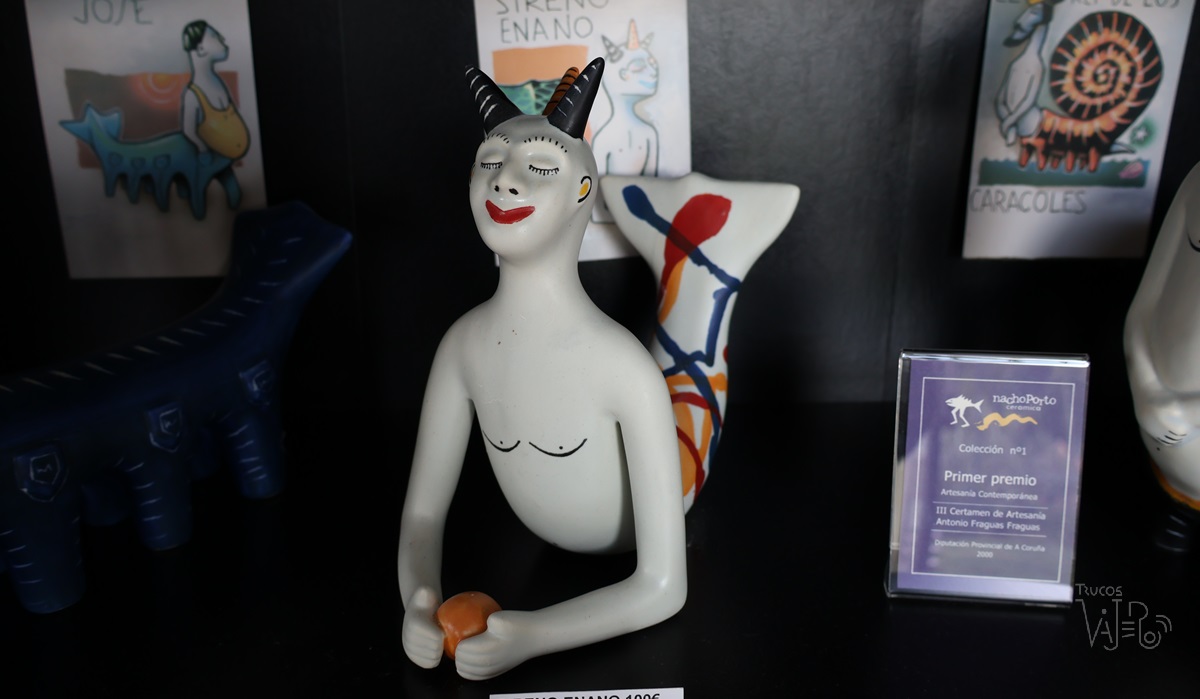
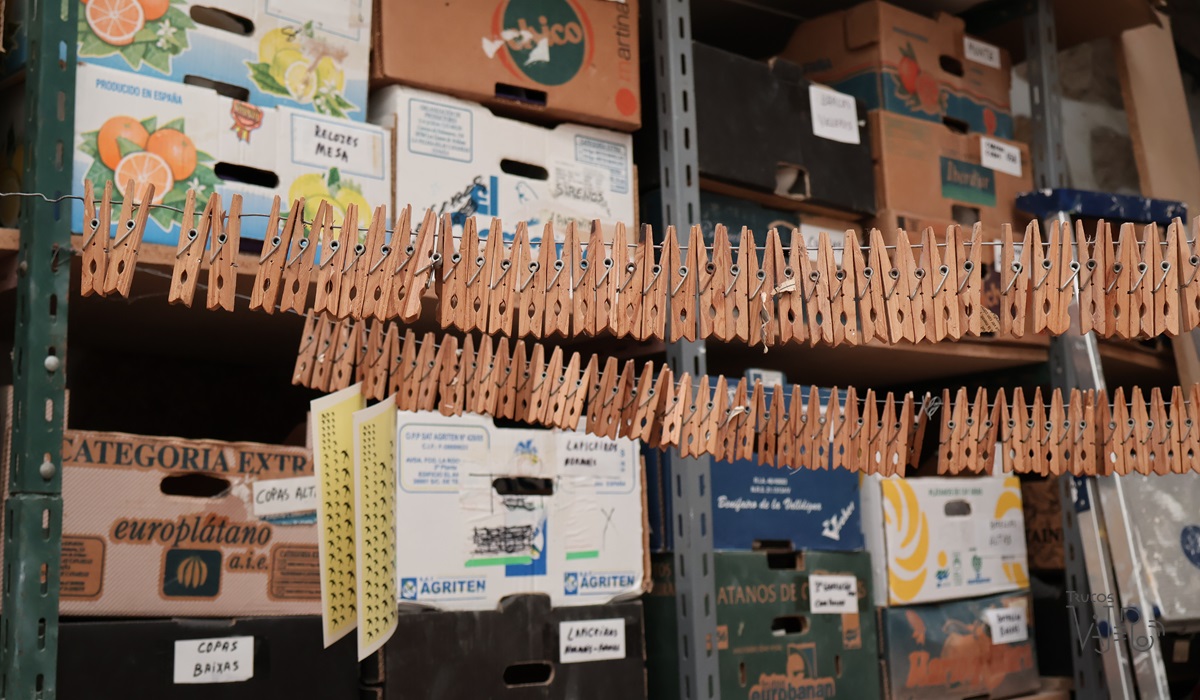
It is not his only “technological” piece, nor is it their most creative piece, as you can see in the images. Without a doubt, this is visit that will bring you some food for thought.
After an inspiring visit, I would go for a walk to Carnota beach or Monte Pindo, but our next artisan stop is not far away either: we enter Dumbría and its Ézaro waterfall.
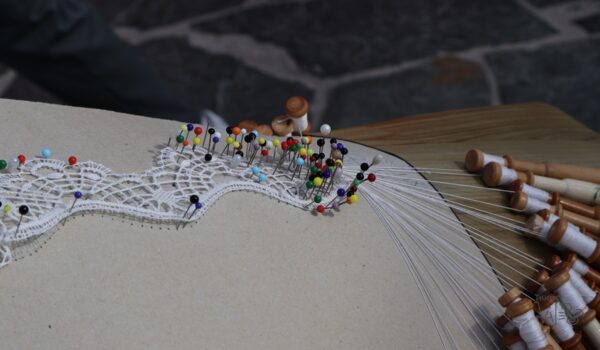
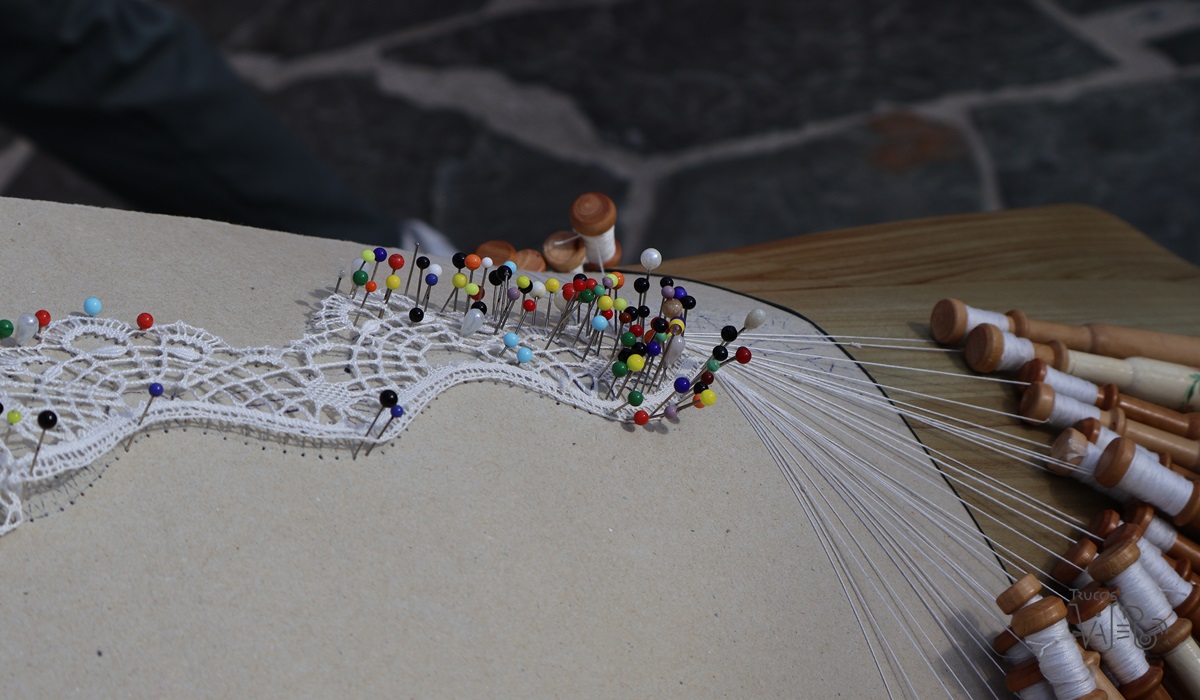
Practically at the foot of the waterfall and next to the tourist office, there are some small shops where you will find Lucita from Encaixes Lucita. A palilleira artisan who creates beautiful lace pieces following the traditions from Costa da Morte. She has received various awards and distinctions, but also loves to transmit local traditions and folklore to visitors.
She even dressed us up as “Galicians” and gave us a demonstration of how these laces are made while telling us the history of lace making in her family.
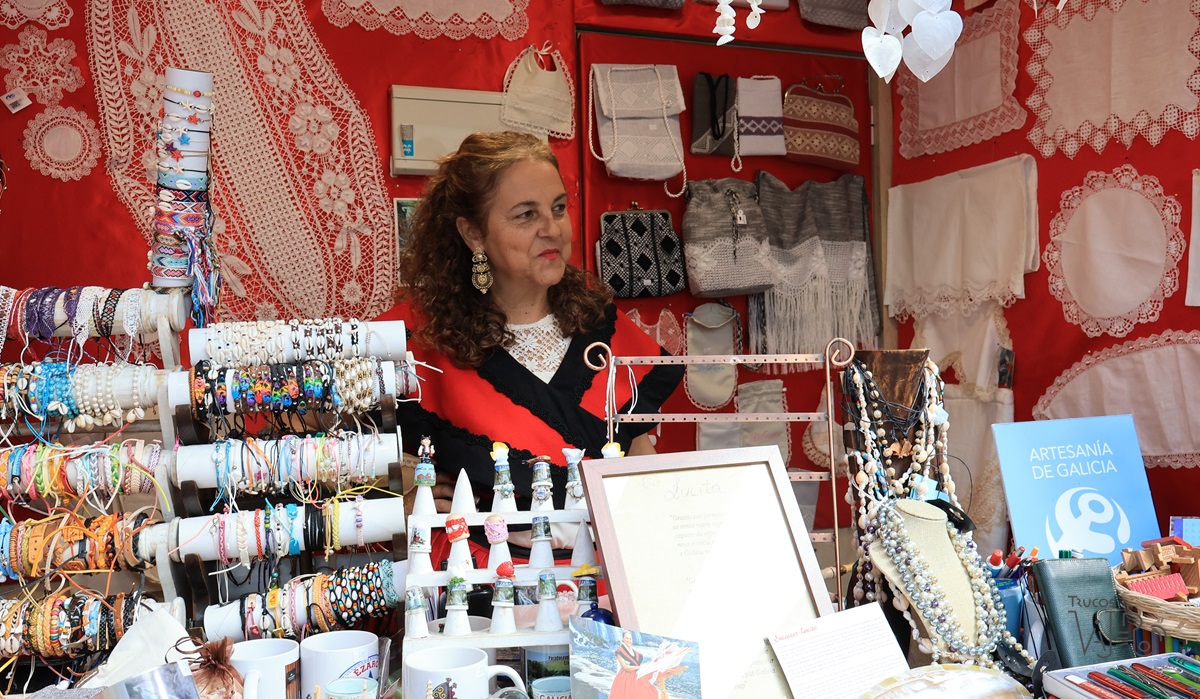
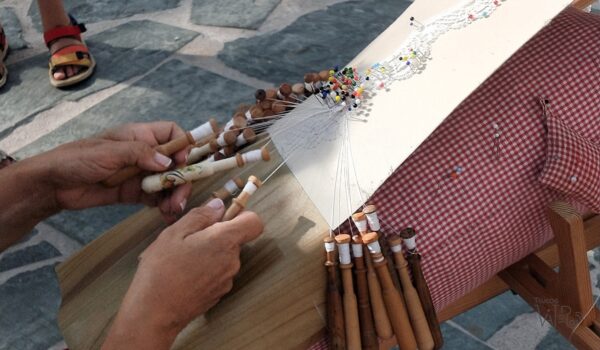
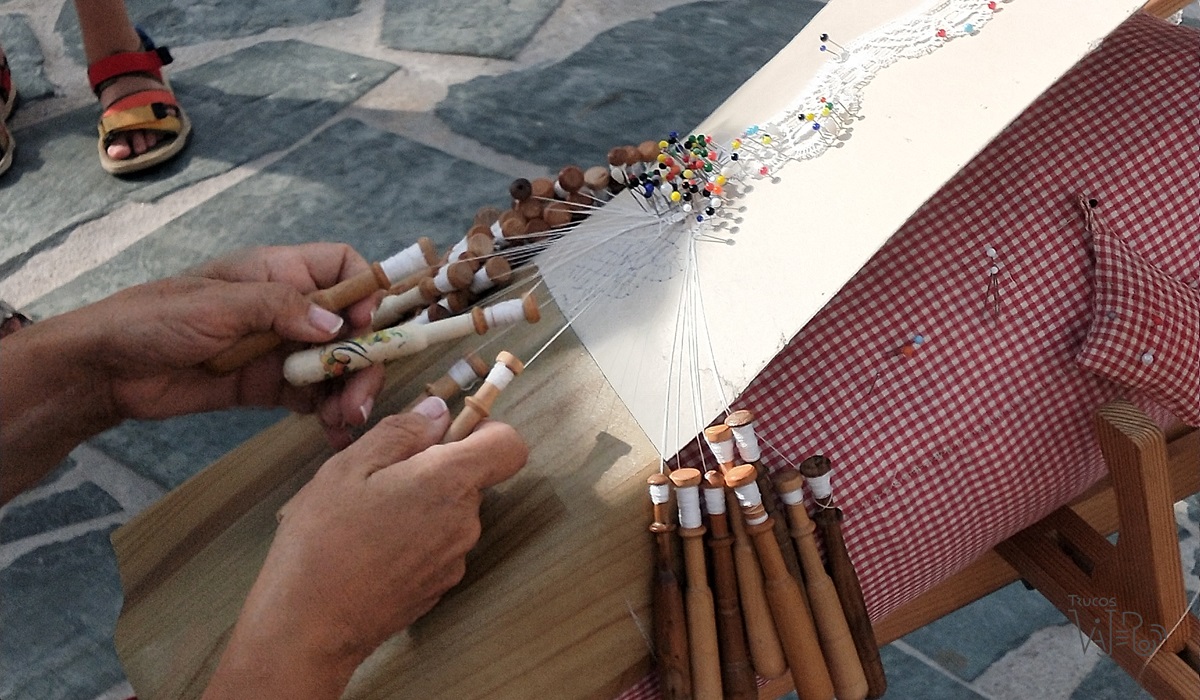
You might not find her here during low season, but she also has a shop at Parador Costa da Morte, in Muxía.
It is important to know that, although in many places this craft is known as Camariñas lace, it is also a traditional craft in neighbouring Muxía, where Lucita is from and where you can also see the palilleiras working at the Asociación de Palilleiras Nosa Señora da Barca.
In Camariñas they even have a small museum.
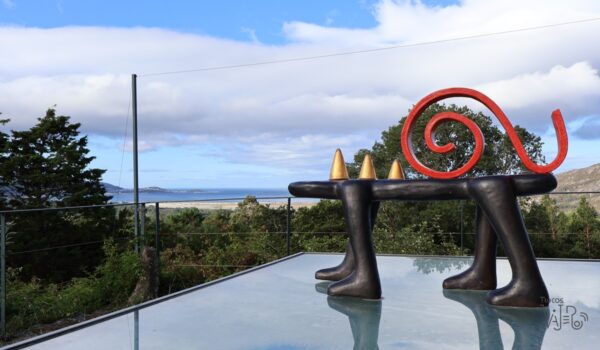
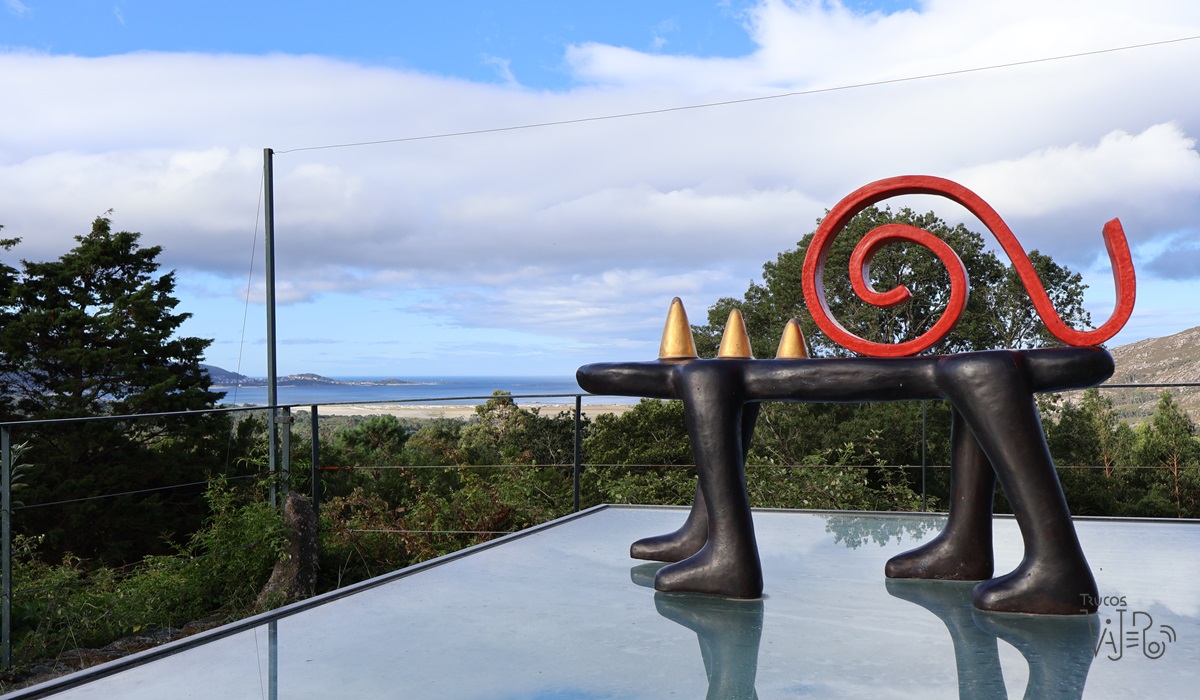
(*) By the way, the photo on top belongs to a viewpoint on the way to Faro Vilán, called Mirador Alto da Vela (Camariñas), and it does pay homage to the pins that hold the lace while it is being made.
The next point on this route, although I did not visit it on this last trip, is in Mazaricos. Here you can learn about one of the traditional Galician hats: the Sancosmeiro.
This flat hat made with braided straw, rests on top of the head and used to protect farmers from the sun and the rain. It was also used to carry products, grass and other things on the head. Today, they are a highly valued craft that very few artisans know how to make.
At San Cosme de Antes, the Trenzarte association does not only make them, but also holds straw braiding and hat-making workshops where you can learn more about this craft from the inside.

The next stop was not part of this trip either, but it is another of the great must-sees that you should not miss.
The traditions of Costa da Morte suffered a small setback a few years ago when the EU banned the traditional conger eel drying sheds that I showed you years ago in this post. However, you can still get closer to the traditional art of conger eel fishing (and drying) on the guided tour of the drying sheds of Elaboraciones Lemar. They use more modern techniques but maintain the traditional structures, a very valuable part of the intangible cultural heritage of Muxía.
You can visit them (booking required).

And if you are looking for food arts and traditional tastes, something that you will should definitely try here is the seafood. The shells and clams here are caught through a very artisanal work, which you can witness first hand here.
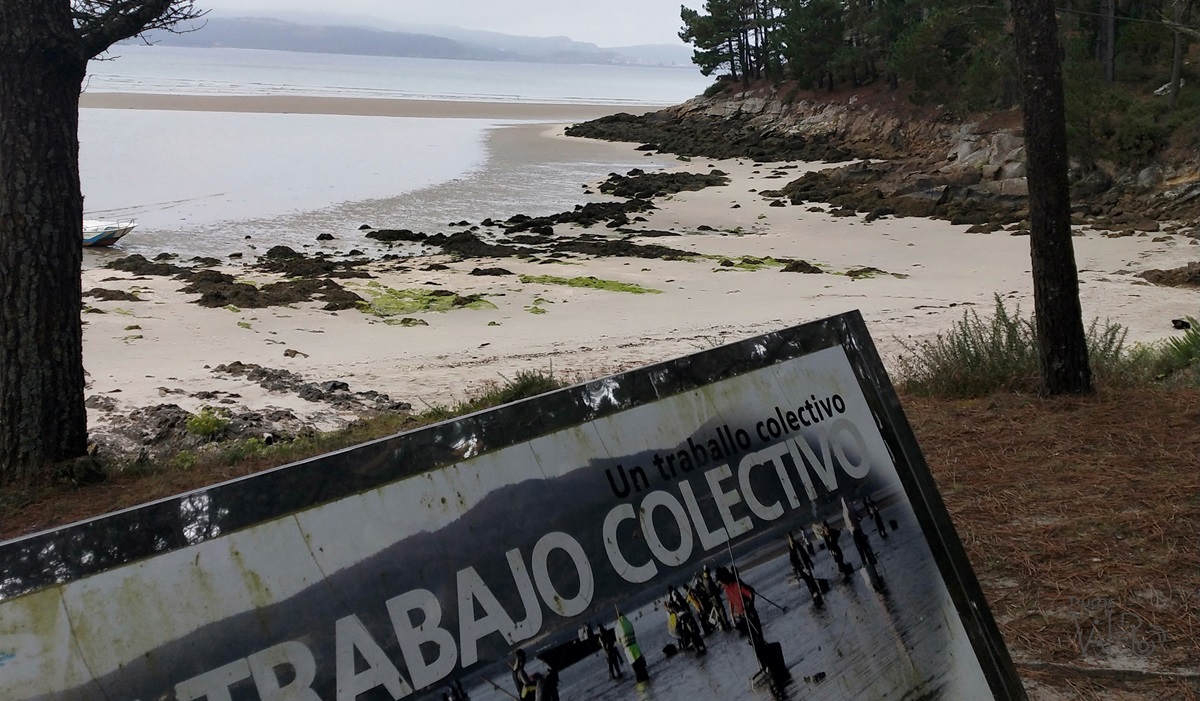
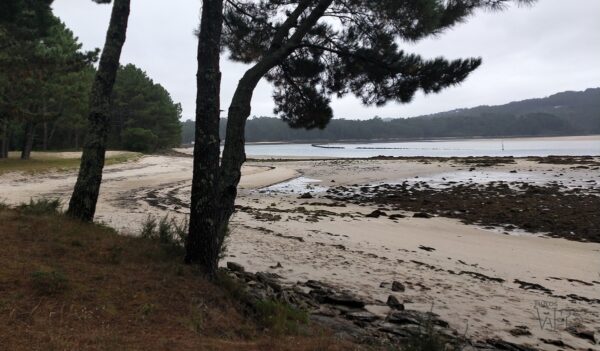
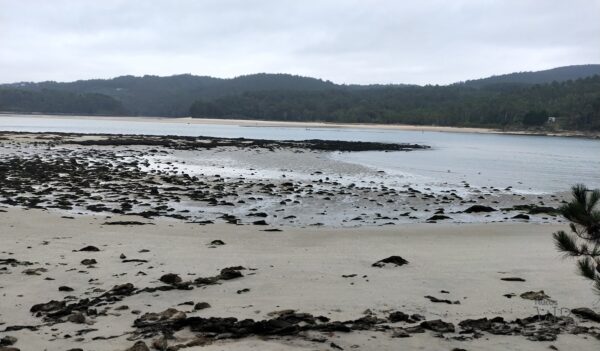
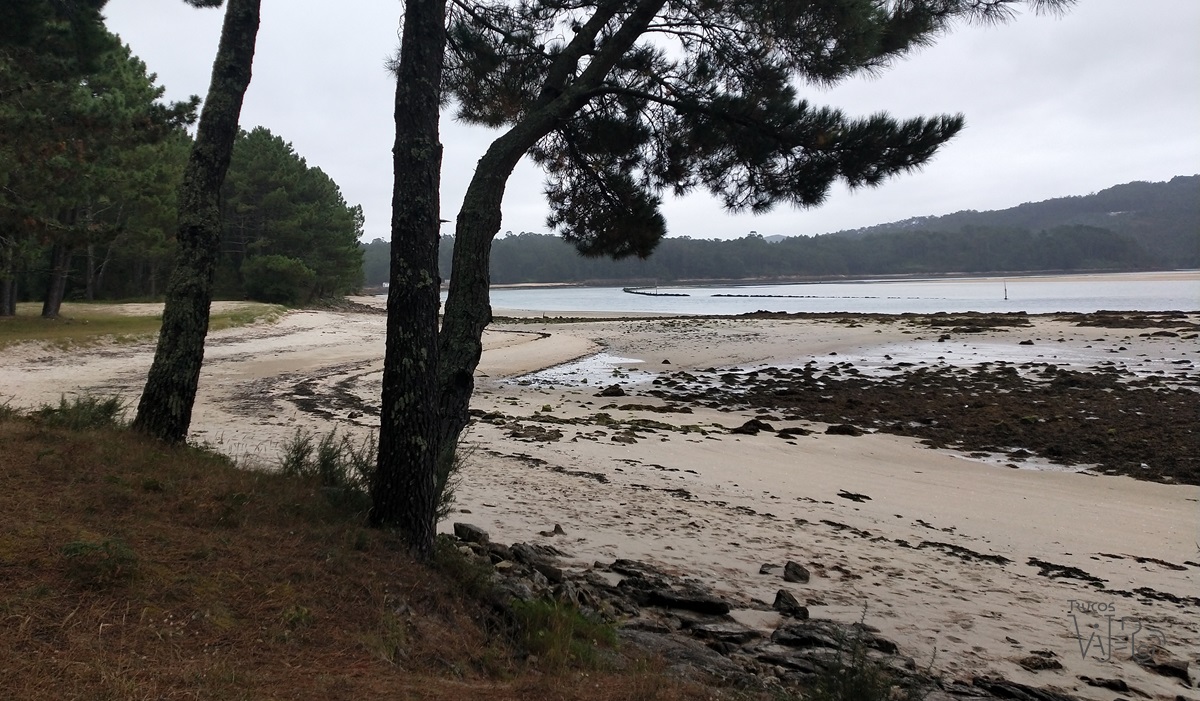
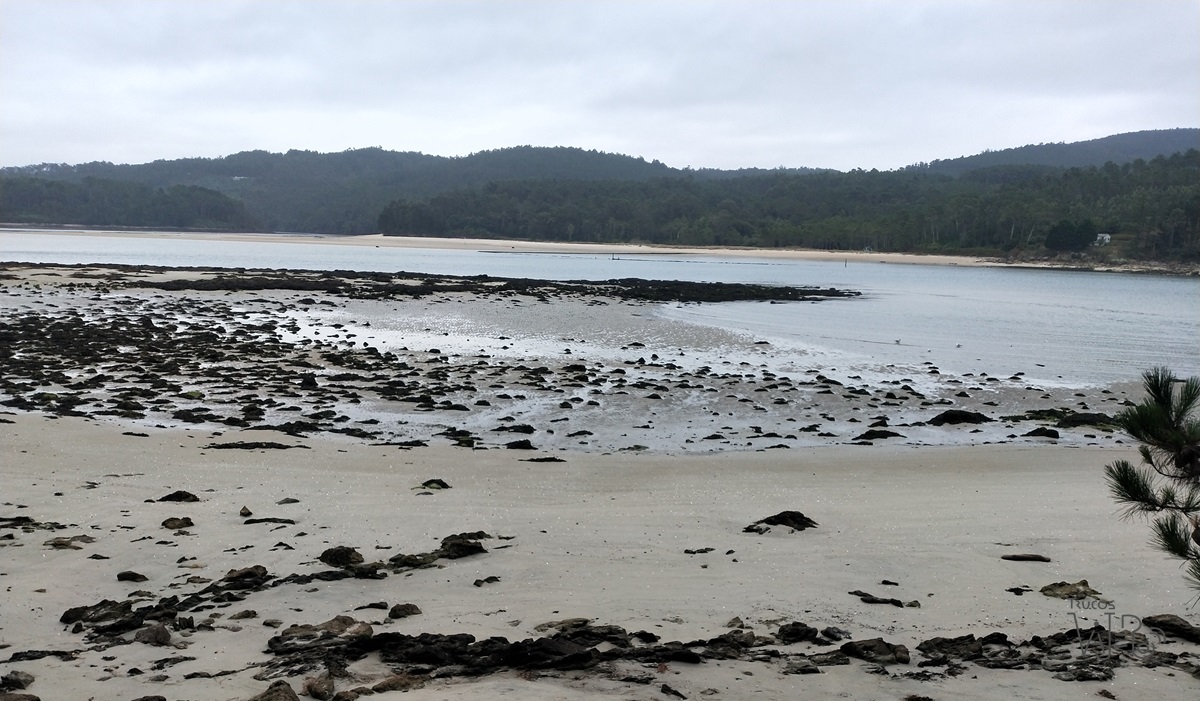
So our next stop is in Camariñas, where Vive a Costa da Morte carries out a very cool activity at the mouth of the Anllóns River. Our guide was Yaqui, a professional shellfish gatherer and boat skipper, who took us through her story and the traditions of shellfish gathering in Camariñas, the differences of the guilds of the Rías Altas and the characteristics of this tasteful and unique product.
And, although we couldn’t get our feet wet because they can’t currently work their beaches for product as you can do in other places in Galicia, I think it’s one of the most beautiful experiences you can have on the Costa da Morte.
And to conclude, our last stop is in Vimianzo, whose castle organises artisan workshops all through the year (all of them from Artesanía de Galicia) where you can discover first-hand how the most iconic and unique crafts of the Costa da Morte are made.
One of these workshops (the one that took us there) is the ceramics workshop, where the expert hands of Alberto Lista led us to imagine figures and made us get covered up to our elbows in clay to try to create our own pieces. Some with better luck than others, of course.
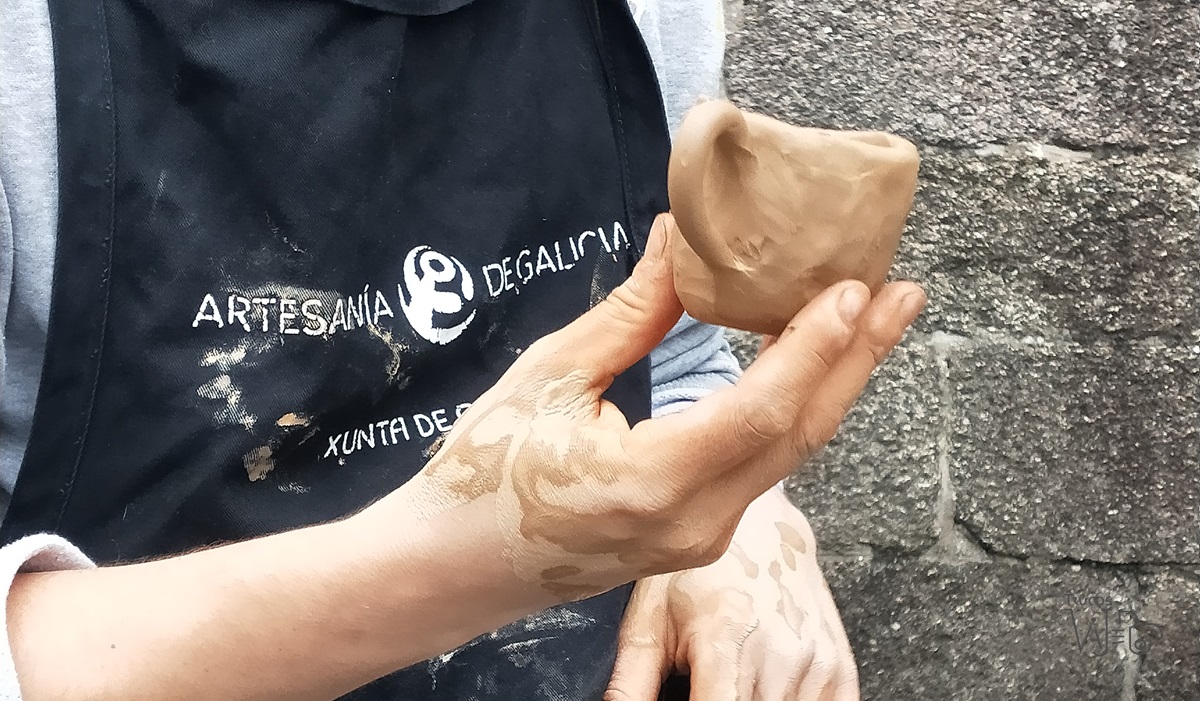
Of course, we have not become Buño ceramists like him, but we did have a very good time.
(*) In addition to the workshops, the castle is also worth visiting for its exhibitions and for the history of the castle itself, which dates back to the 12th century when it was built, and its role in the power conflicts of the Middle Ages, especially in the Irmandiña Revolt.
Where to buy crafts in A Costa da Morte
As you can see, there are many craftsmen who can be visited directly at their shops. But there are also many other workshops that cannot be visited and exceptional crafts that are worth knowing.
For example, those magnificent maps of sunken shipwrecks that you will find on your way, were made by a local fisherman, Pepe de Olegario, who dedicated himself to marking the sunken ships that he found while fishing for groupers along the coast (groupers hide among the ruins of shipwrecks). Curiosity led him to thoroughly investigate the stories of the ships he marked on the map. Over time he has identified more than 1,000 on nautical charts with such precision that they laugh at GPS systems.
(*) If you want to discover how nautical charts were made and fishing banks were marked before sonar, stop by the Fishing Museum in Fisterra (formerly the San Carlos Castle) and take a guided tour. And, while we’re at it, you can also follow the shipwreck route that passes through Cabo Vilán towards the English cemetery
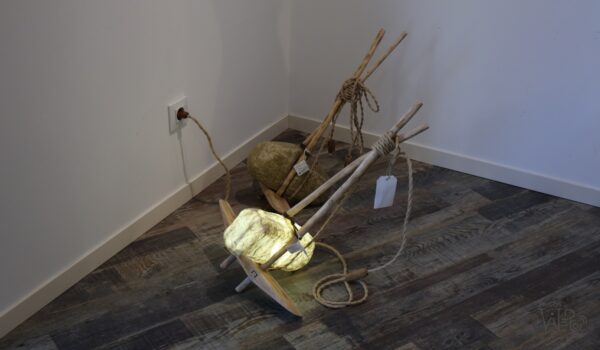
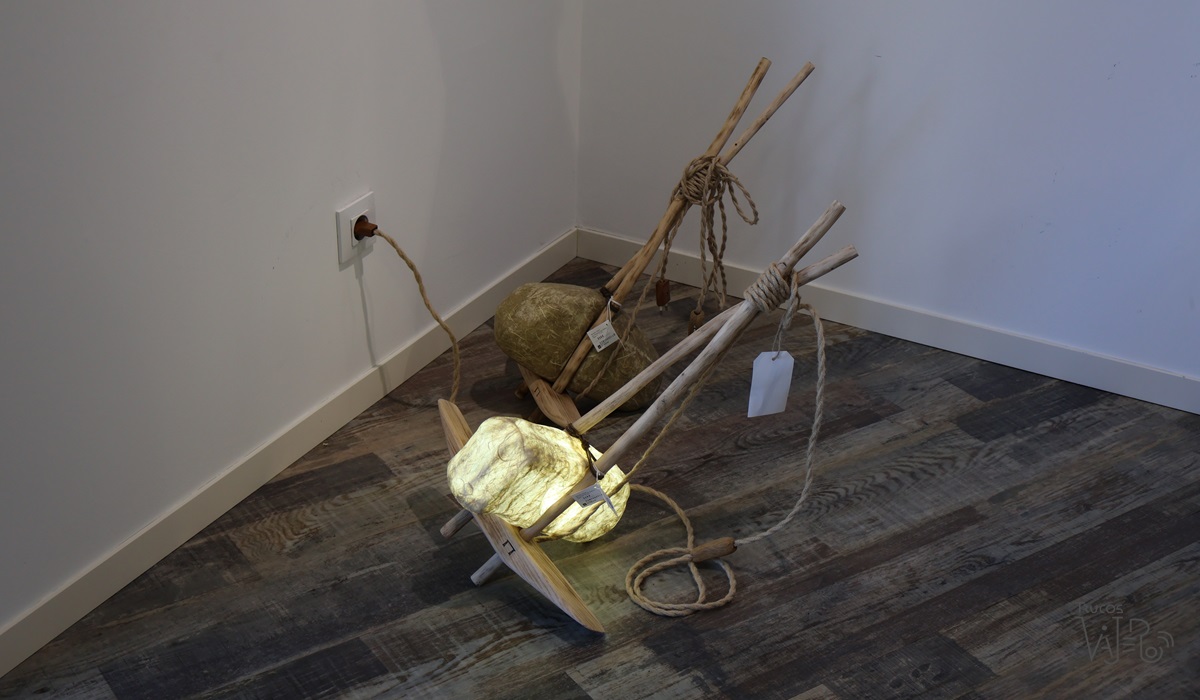
Another great example are the beautiful illustrations of ships, cetaceans or lighthouses that decorate the walls of restaurants like LiresCa in Lires. Also by exceptional local designers and illustrators. Or bags made from fishing nets (made by local net weavers), arrows that follow the tradition of the old steelworks that were in the area, illuminated sculptures that recreate old fishing gear…
All of these are showcase at CEE. They are handpicked by Begoña at Stoupa, a shop specialising in Costa da Morte arts and crafts. She will guide you through the multitude of original pieces that local artists and craftsmen bring to life every year. Plus, they also have a small gallery dedicated to local artists, whose exhibition changes every season.

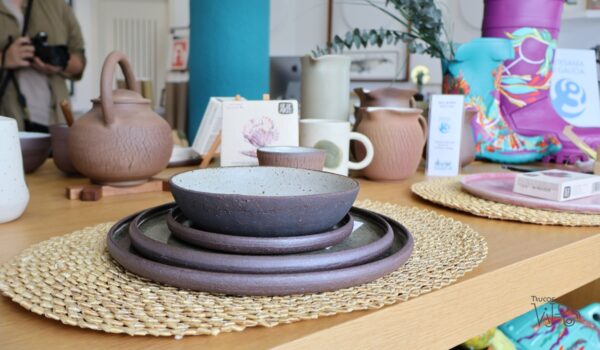
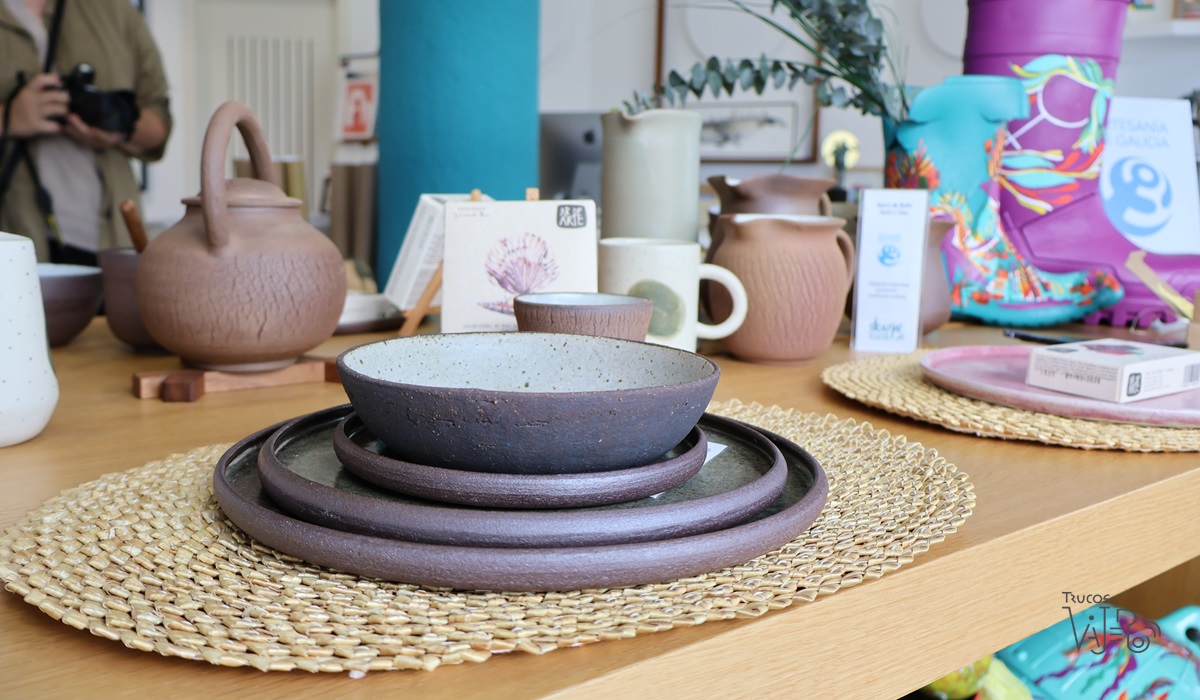
A more traditional alternative when shopping for local crafts is the Vimianzo Castle, which, in addition to being worth a visit in itself as a monument with a powerful history, is also a small “shopping centre” that hosts certified artisans from the area, each with their own speciality and their own space (sometimes also making products there).
The castle is also the home to one of the coolest summer festivals in Galicia (and there are quite a few): the Asalto ao Castelo (assault on the castle), a combination of music, history and a good vibes that you should add to your wish list.
About: This article is the result of an invitation from Visit Costa da Morte feat. Turismo de Galicia to re-discover the territory through crafts, gastronomy and landscapes. As always, my opinions are my own, there are places in that were not part of this trip but that I think fit very well with the route, and I have rearranged the roadtrip to fit the way I travel.
I hope it inspires you.


